
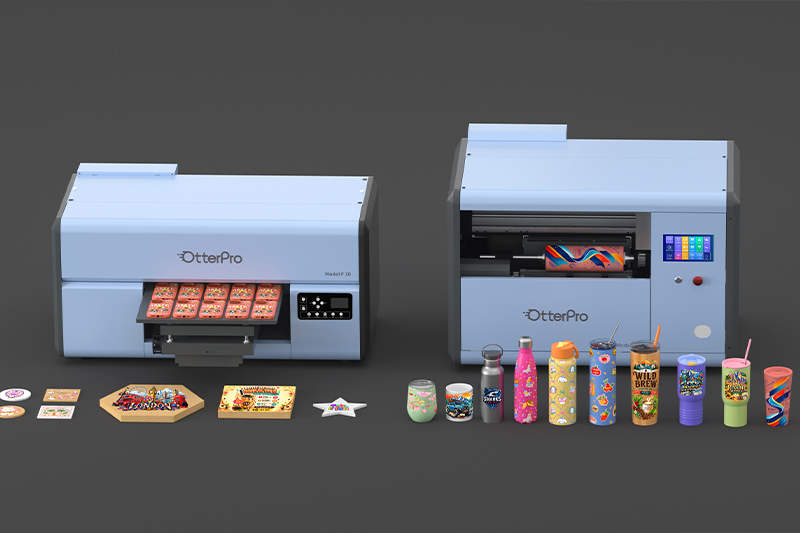
The first real order is where a printing system proves itself — with a deadline, a customer waiting, and a colour that does not look like the proof.
That gap between the specification sheet and the shop floor is where most equipment relationships succeed or fail. We have built our support around closing it.
Commissioning, not just delivery
A DTF system is only as good as its calibration. Ink limits, powder application, curing temperature, film tension and press pressure all interact, and the correct values depend on the fabric, the artwork and the humidity in the room. We walk new owners through the first setup rather than shipping a manual and wishing them luck.
Where a customer is moving from a different process — screen printing, vinyl, or an older DTF unit — we start from the jobs they actually run, not from a generic profile.
Training that survives staff turnover
Most print shops do not lose knowledge because nobody was trained. They lose it because the person who was trained left. Written procedures for daily maintenance, shutdown and colour checks matter more than a single training session, so we help customers build them and keep them updated when the machine or the consumables change.
Spare parts and consumables as one system
Two of the most common causes of downtime are a printhead that failed earlier than expected and a batch of film or powder that behaves differently from the last one. Both are supply problems before they are technical problems.
- Consistent consumables: film, powder and ink from a single controlled supply, so a profile set in January still works in June
- Wear parts stocked as kits — dampers, wiper blades, caps, tubing — rather than single components ordered in a panic
- Documented replacement intervals based on print volume, not on guesswork
Diagnosis before dispatch
When a customer reports a defect, the fastest route to a fix is usually a short conversation, not a shipment. Banding, ghosting, colour shift, poor adhesion and dull transfers each have a small number of likely causes, and most can be identified from a photo, a nozzle check and a description of the settings used.
Our technical team works through that sequence first. If a part is genuinely needed, we want to know exactly which one — sending three possible components in the hope that one works is expensive for the customer and slow for everyone.
Support in the customer's language
Technical English is hard enough for native speakers. Our European customers are served in English, Spanish and Portuguese, and our dealer network extends that coverage locally — including installation, first-line troubleshooting and consumable stock held in-region.
Compliance and paperwork
For a business selling in the EU, a machine is not just a machine. CE marking, declarations of conformity, invoices that survive an audit and documentation in a usable language are part of the product. Buying equipment that arrives without them creates a problem that surfaces months later, usually at the worst moment.
What support actually means
It means the difference between a machine that produces sellable work next month and one that produces sellable work next year. For most of our customers, that difference is not decided by the printer's headline speed. It is decided by how quickly a problem gets diagnosed, how reliably consumables arrive, and whether the supplier still answers when the warranty period is over.